

Discover why REAC® Technology isn’t just a symptomatic therapy. Learn how bioelectric modulation optimizes biological processes for lasting functional results.
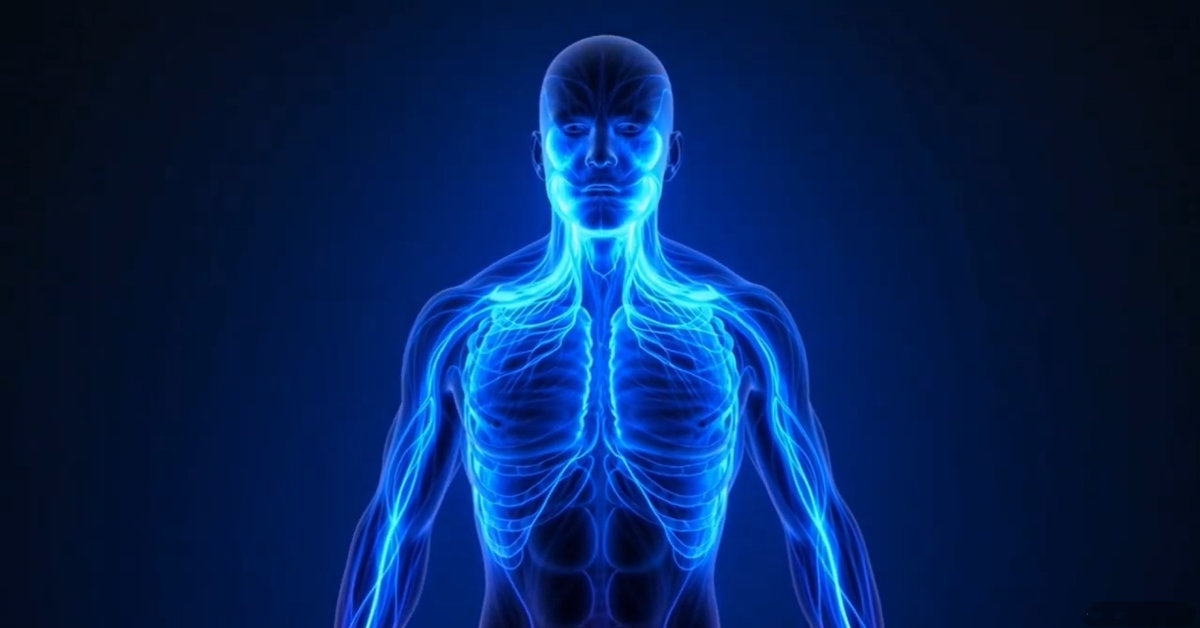
Imagine you are driving and a red warning light flashes on your dashboard. You have two options: cover the light with black tape so you don’t have to see it anymore, or open the hood and find out why the engine is malfunctioning.
In modern medicine, something very similar often happens. Many therapies act like that piece of tape: they hide the symptom without addressing the cause. In this post, we explore why REAC® Technology chooses the second path, defining itself not as a symptomatic therapy, but as a functional optimization therapy.
Whether it is pain, anxiety, stiffness, or inflammation, a symptom is actually a signal. It tells us that our organism is trying to adapt to a difficult situation, but it is doing so inefficiently. This is what we call a dysfunctional adaptation.
While analgesic or anti-inflammatory drugs are useful in emergencies to block the signal, they do not change how the body functions.
REAC® Technology works differently. Through bioelectric modulation, it acts on what we can describe as the “submerged part of the iceberg”. Its goal is to help the brain and tissues reorganize and regain their biological efficiency.
When the organism starts functioning efficiently again:
Choosing a functional optimization approach means more than just asking the body to “stop complaining.” We help it solve the underlying problem. For this reason, results achieved with REAC® Technology tend to be more stable over time: they are the outcome of a true biological change rather than a temporary chemical effect.
Watch the full video here:

Dr. Vania Fontani MD, PhD, is a prominent figure in the field of regenerative medicine and neurobiological modulation.
She has dedicated her career to research and the development of innovative technologies for human well-being.
Currently, Dr. Fontani holds the position of Scientific Director at the Rinaldi Fontani Institute in Florence, where she leads the Department of Regenerative Medicine.
In collaboration with Prof. Salvatore Rinaldi, she co-developed the REAC® (Radio Electric Asymmetric Conveyer) technology, a non-invasive methodology aimed at modulating endogenous bioelectric activity to promote health and well-being.
Her research work is documented in over 60 scientific publications, with a significant impact in the field of neuromodulation and regenerative medicine.
Her experience and expertise make her an ideal speaker for international events focused on innovation and longevity
Learn more:
• Publications: PubMed – Rinaldi S, Fontani V

Physician and researcher, pioneer in neurobiological modulation, regenerative medicine, and anti-senescence therapies Scientific Director – Rinaldi Fontani Institute, Florence, Italy
ORCID: 0000-0002-8961-6316
Profile and Mission
Salvatore Rinaldi is an internationally recognized innovator for his groundbreaking
contribution to the study and clinical application of neurobiological modulation using
asymmetrically conveyed radio-electric signals (REAC). His work has redefined the
boundaries of regenerative medicine and longevity, demonstrating how optimizing
endogenous bioelectrical activity can promote cellular reprogramming, recovery of
compromised functions, and the prevention of age-related decline.
Research Milestones
Rinaldi’s research has opened new frontiers in the understanding and treatment of
neurodegenerative diseases and cellular aging processes. Among his most significant
contributions:
Regenerative Medicine:
Anti-Senescence and Longevity:
Neurodegenerative Diseases – Efficacy of REAC Technology in Alzheimer’s and
Neurodegeneration Models:
Scientific Vision
Salvatore Rinaldi’s work demonstrates that bioelectrical modulation is not merely a
theoretical concept, but a concrete and reproducible therapeutic strategy to counteract
aging, support cellular repair processes, and prevent tissue degeneration.
Learn more:
• ORCID Profile: 0000-0002-8961-6316
• Publications: PubMed – Rinaldi S, Fontani V